

Grind Black Ink (研墨)
How to Grind Black Ink (研墨) for Calligraphy and Ink Painting
Grinding black ink by hand is one of the oldest traditions in Chinese calligraphy and ink painting. Known as 研墨 (yán mò), the process transforms a solid ink stick into smooth liquid ink using water and an inkstone. In Chinese culture, this ritual is considered part of the artistic practice itself — a moment of concentration before the brush touches paper.
Traditional Chinese scholars referred to the brush, ink, paper, and inkstone as the “Four Treasures of the Study” (文房四宝). Among them, the inkstone and ink stick work together to create the depth, texture, and tonal richness that define Chinese ink art.

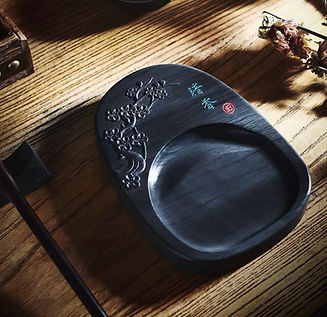
What You Need
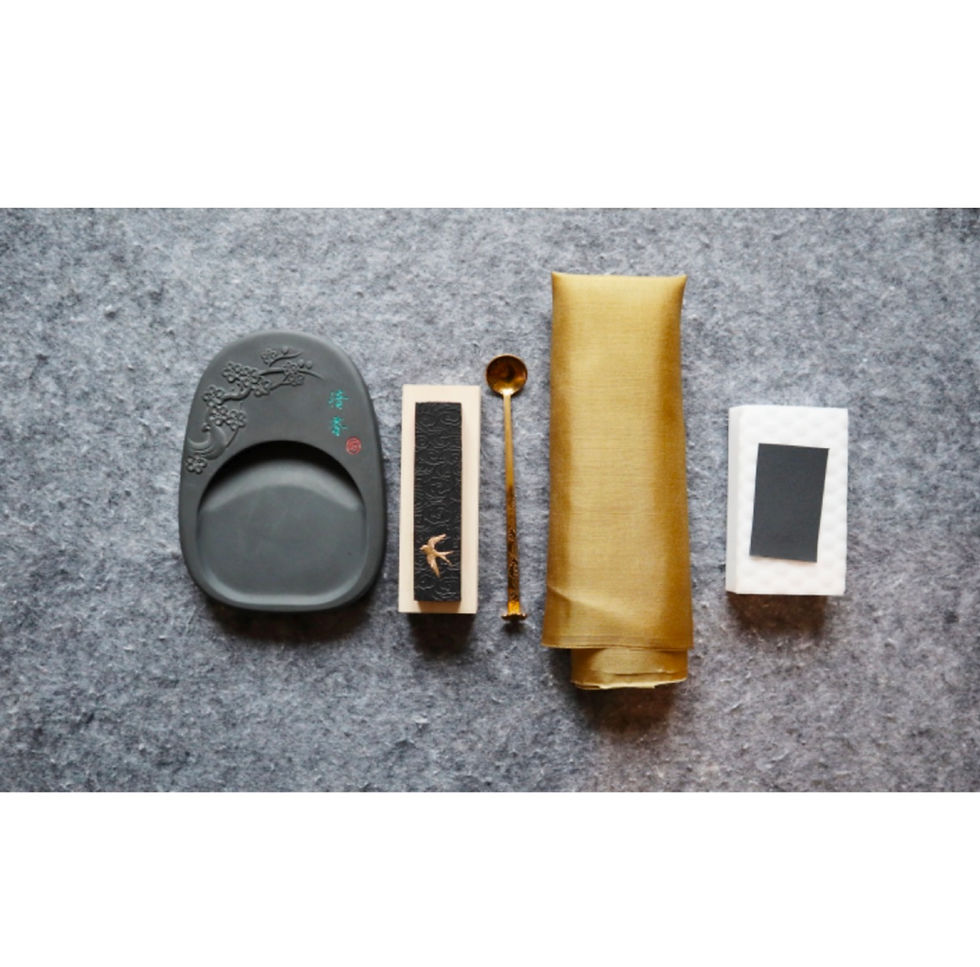
To grind traditional black ink, prepare the following tools:
-
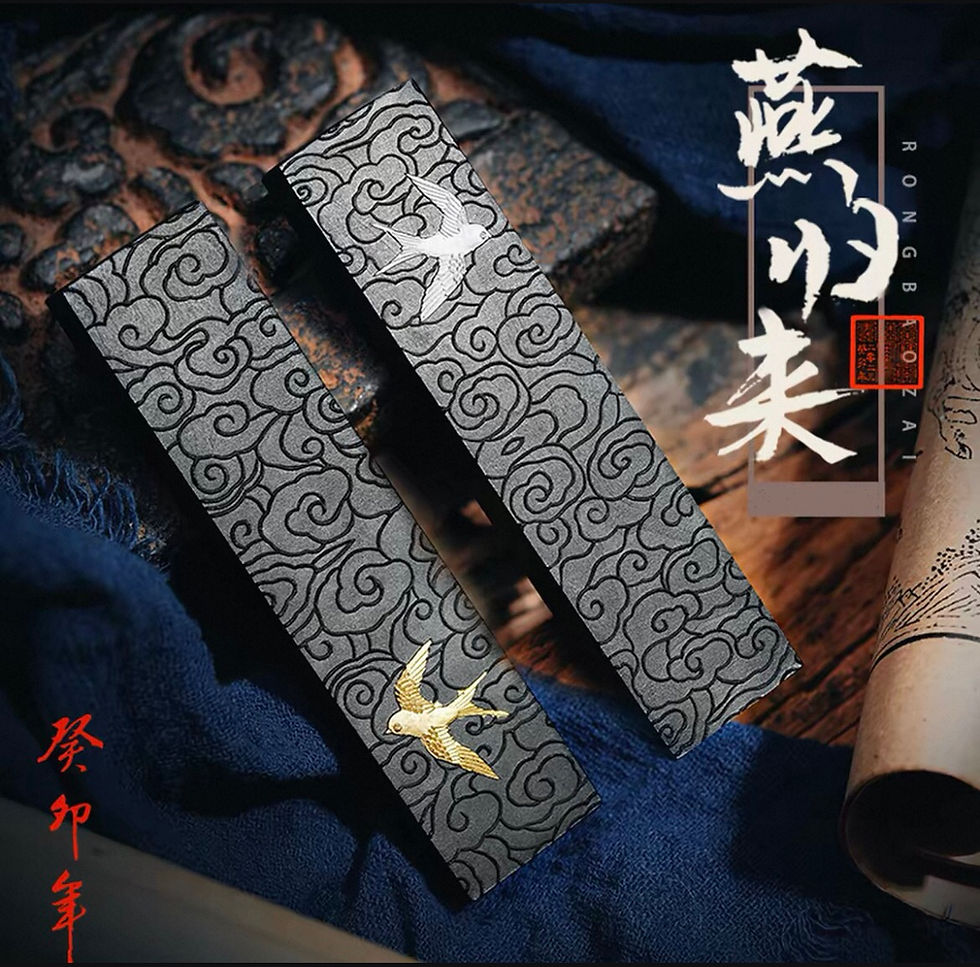
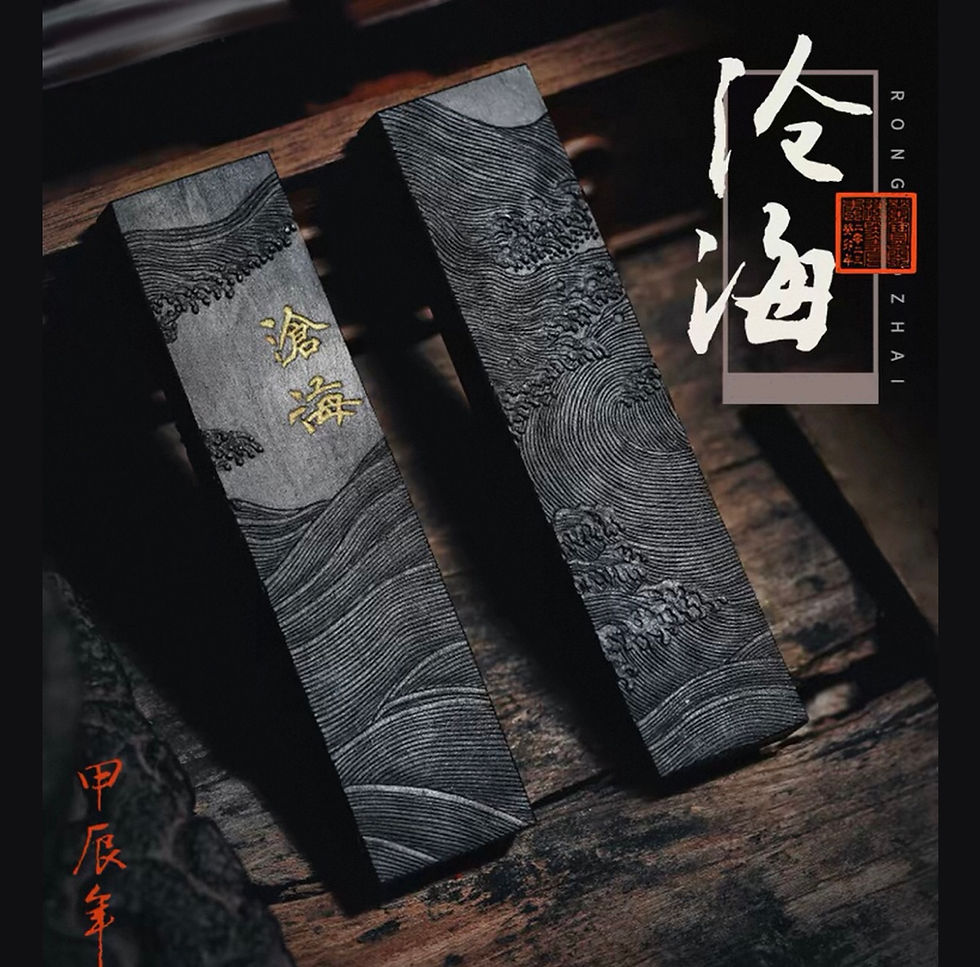
Ink stick (墨条 / 墨块)
-
Inkstone (砚台)
-
Clean water
-
Chinese brush
-
Xuan paper or rice paper
Chinese ink sticks are traditionally made from fine soot mixed with animal glue, then compressed and dried for months or even years. High-quality ink produces rich blacks with subtle tonal variation.
Step-by-Step Guide to Grinding Ink
1.
Add a Small Amount of Water
Place a few drops of clean water (2-3 drops) onto the flat grinding surface of the inkstone.
Do not pour too much water at once. Traditional calligraphy practice emphasizes adding water gradually to control the thickness and texture of the ink. Thin ink produces soft gray washes, while thicker ink creates dense matte blacks.
Chinese calligraphers often move finished ink into the ink reservoir (the "sea") while continuing to grind fresh ink on the surface (the "land").
2.
Hold the Ink Stick Correctly
Hold the ink stick vertically or at a slight angle with a relaxed grip.
In traditional Chinese practice, the ink stick should remain stable and balanced against the stone. Excessive pressure can damage both the ink stick and the inkstone surface.
Experienced calligraphers describe the motion as:
“研磨如病夫” (“Grind the ink like a sick man.”)
In the context of Chinese calligraphy and ink grinding, it means: Grind slowly, gently, and steadily — without force or haste.
3.
Grind Slowly and Consistently
Move the ink stick in slow circular or back-and-forth motions across the wet surface of the inkstone.
The grinding should feel smooth and quiet. If the ink sounds gritty or rough, the ink may contain impurities or the stone surface may need cleaning. Traditional Chinese calligraphy manuals emphasize patience during grinding because rushing produces coarse, uneven ink.
Many artists continue grinding for several minutes to achieve a dense, glossy black ink with fine particles suspended evenly in water.
4.
Adjust the Ink Thickness
As the water darkens, continue adding small drops of water until the desired consistency is reached.
-
More water → lighter gray ink washes
-
Less water → darker, richer blacks
Hand-ground ink allows much greater tonal control than bottled ink. This variation is essential in Chinese brush painting, where a single stroke may transition from deep black to soft gray.
5.
Test the Ink Before Painting
Dip the brush lightly into the ink and test several strokes on paper.
Properly ground ink should:
-
Flow smoothly
-
Produce even brush lines
-
Show subtle tonal depth
-
Maintain a slightly glossy appearance when wet
Some practitioners also grind extra amount of ink to store aside for ink painting and calligraphy.
Techniques and Tips
Preparing a New Inkstone (开砚)
New inkstones are sometimes coated with a protective wax layer and should be cleaned before first use. Traditional preparation methods include gentle brushing and polishing to improve the grinding surface.
Grind in Both Direction
It is recommend to grind ink consistently in both directions — clockwise and counterclockwise — to create smoother ink texture.
Clean the Inkstone After Use
Old ink residue can spoil fresh ink and damage the surface of the stone. After each session:
-
Rinse the inkstone with clean water
-
Wipe it dry gently
-
Never leave thick ink to harden inside the stone
Although bottled ink is widely available, many calligraphers and ink painters still prefer hand-ground ink because it offers:
-
Greater tonal control
-
Richer texture
-
Better interaction with Xuan paper
-
A calmer, more focused creative process
In Chinese artistic tradition, grinding ink is not simply preparation — it is considered part of cultivating concentration, patience, and rhythm before painting or writing.



Contact
Please don't hesitate to get in touch with us for any query whatsoever.
Yingge will be happy to help ^_^


